Hopp til innhold

Norsk nettbutikk | Rask levering | Frakt i hele Norge

Ny

Hexafilt uten neseklype

Art.nr: 11000
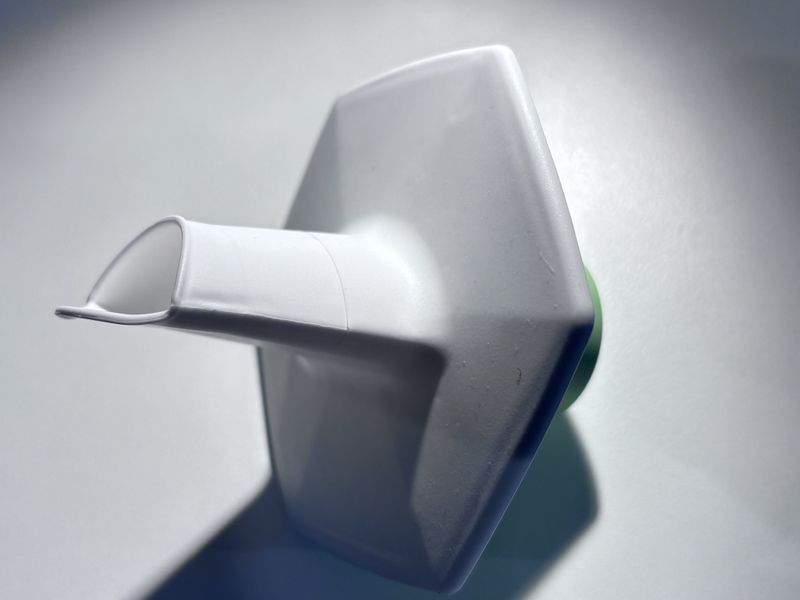
Hexafilt – Effective virus and bacterial filter for spirometry   Hexafilt is a high-quality filter designed for use with spirometry, ensuring maximum protection against viruses and bacteria. With a tight and reliable fit, Hexafilt significantly reduces the risk of leakage, which is crucial for accurate measurements and infection control. Patient comfort is ensured through the filter’s low resistance and ergonomic design, allowing natural and comfortable breathing during the examination. Hexafilt offers proven high filtration efficiency and is manufactured in Germany with a focus on quality and reliability. Bugge¹ investigated how leakage in spirometry equipment affects the accuracy and reproducibility of spirometry measurements. The study highlights that leakage during spirometry can significantly compromise both accuracy and reproducibility. To achieve reliable results, there should be a focus on preventing leakage. This has also been emphasized in several independent studies. 2,3,4,5,6 Hexafilt is a German quality filter for bacteria and viruses (including COVID-19), developed for spirometry with a focus on patient comfort and accurate measurements. Its unique crescent shape ensures a tight seal and minimal leakage. With low dead space (<68 ml), over 99.999% filtration efficiency, and 18% reduced plastic use thanks to its hexagonal design, Hexafilt delivers precise and environmentally friendly results. It comes with a nose clip.   Key benefits: - Effective filtration of viruses and bacteria – documented high filtration performance  - Tight fit that minimizes leakage and ensures accurate spirometry measurements  - Low breathing resistance for increased comfort and user experience  - Manufactured according to German quality standards    References 1 Bugge L. The effects of leak on the reproducibility of spirometric measurements. Eur Respir J. 1989 Sep;2(9):845–9. doi:10.1183/09031936.89.02090845.  2 Miller MR, Hankinson J, Brusasco V, Burgos F, Casaburi R, Coates A, et al. Standardisation of spirometry. Eur Respir J. 2005 Aug;26(2):319-38. doi: 10.1183/09031936.05.00034805.  3 Pellegrino R, Viegi G, Brusasco V, Crapo RO, Burgos F, Casaburi R, et al. Interpretative strategies for lung function tests. Eur Respir J. 2005 Nov;26(5):948-68. doi: 10.1183/09031936.05.00035205. 4 Graham BL, Steenbruggen I, Miller MR, Barjaktarevic IZ, Cooper BG, Hall GL, et al. Standardization of Spirometry 2019 Update. An Official American Thoracic Society and European Respiratory Society Technical Statement. Am J Respir Crit Care Med. 2019 Oct 15;200(8):e70-e88. doi: 10.1164/rccm.201908-1590ST. 5 O’Donnell DE, Laveneziana P. Physiological assessment of lung function in adults with obstructive airway diseases: a clinical perspective. Eur Respir Rev. 2016 Sep 30;25(140):117-124. doi: 10.1183/16000617.0057-2015. 6 Enright PL, Johnson LR, Connett JE, Voelker H, Buist AS. Spirometry in the Lung Health Study: methods and quality control. Am Rev Respir Dis. 1991 Jun;143(6):1215-23. doi: 10.1164/ajrccm/143.6.1215.

1.863,-

Informasjon

Hexafilt – Effective virus and bacterial filter for spirometry


Hexafilt is a high-quality filter designed for use with spirometry, ensuring maximum protection against viruses and bacteria. With a tight and reliable fit, Hexafilt significantly reduces the risk of leakage, which is crucial for accurate measurements and infection control.

Patient comfort is ensured through the filter’s low resistance and ergonomic design, allowing natural and comfortable breathing during the examination. Hexafilt offers proven high filtration efficiency and is manufactured in Germany with a focus on quality and reliability.

Bugge¹ investigated how leakage in spirometry equipment affects the accuracy and reproducibility of spirometry measurements. The study highlights that leakage during spirometry can significantly compromise both accuracy and reproducibility. To achieve reliable results, there should be a focus on preventing leakage. This has also been emphasized in several independent studies.2,3,4,5,6

Hexafilt is a German quality filter for bacteria and viruses (including COVID-19), developed for spirometry with a focus on patient comfort and accurate measurements. Its unique crescent shape ensures a tight seal and minimal leakage. With low dead space (<68 ml), over 99.999% filtration efficiency, and 18% reduced plastic use thanks to its hexagonal design, Hexafilt delivers precise and environmentally friendly results. It comes with a nose clip.


Key benefits:

- Effective filtration of viruses and bacteria – documented high filtration performance 

- Tight fit that minimizes leakage and ensures accurate spirometry measurements 

- Low breathing resistance for increased comfort and user experience 

- Manufactured according to German quality standards 


References

1 Bugge L. The effects of leak on the reproducibility of spirometric measurements. Eur Respir J. 1989 Sep;2(9):845–9. doi:10.1183/09031936.89.02090845. 2 Miller MR, Hankinson J, Brusasco V, Burgos F, Casaburi R, Coates A, et al. Standardisation of spirometry. Eur Respir J. 2005 Aug;26(2):319-38. doi: 10.1183/09031936.05.00034805. 3 Pellegrino R, Viegi G, Brusasco V, Crapo RO, Burgos F, Casaburi R, et al. Interpretative strategies for lung function tests. Eur Respir J. 2005 Nov;26(5):948-68. doi: 10.1183/09031936.05.00035205.4 Graham BL, Steenbruggen I, Miller MR, Barjaktarevic IZ, Cooper BG, Hall GL, et al. Standardization of Spirometry 2019 Update. An Official American Thoracic Society and European Respiratory Society Technical Statement. Am J Respir Crit Care Med. 2019 Oct 15;200(8):e70-e88. doi: 10.1164/rccm.201908-1590ST.5 O’Donnell DE, Laveneziana P. Physiological assessment of lung function in adults with obstructive airway diseases: a clinical perspective. Eur Respir Rev. 2016 Sep 30;25(140):117-124. doi: 10.1183/16000617.0057-2015.6 Enright PL, Johnson LR, Connett JE, Voelker H, Buist AS. Spirometry in the Lung Health Study: methods and quality control. Am Rev Respir Dis. 1991 Jun;143(6):1215-23. doi: 10.1164/ajrccm/143.6.1215.

Kommentarer